Motoza Marketing Insights

Want to learn a bit more about digital marketing? We give you our honest, straightforward look into marketing trends, business, and anything related to business growth. 

Trending Now

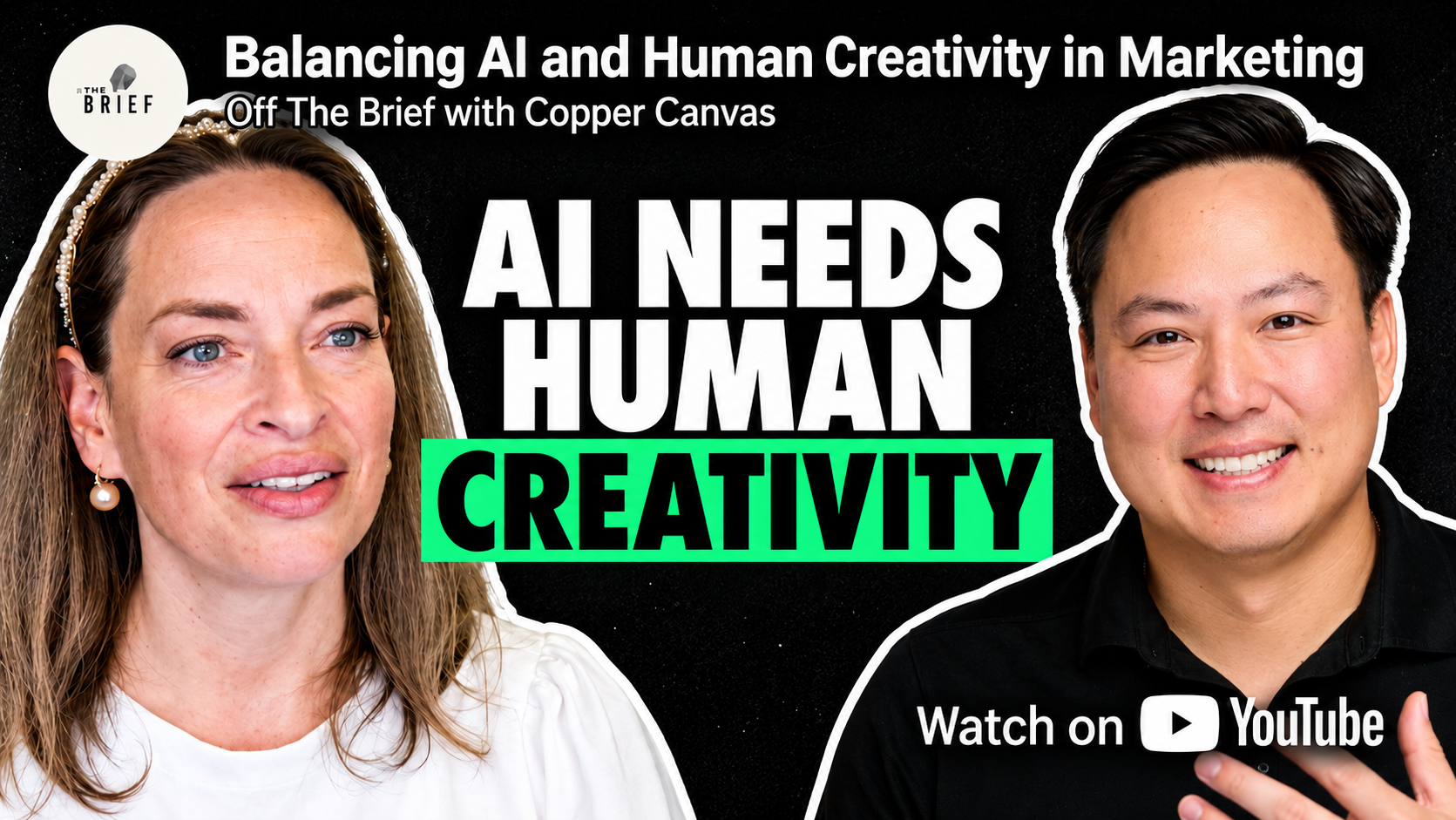
AI and Human Creativity: Andrew Cao on ‘Off the Brief’ Podcast
AI & Human Creativity - Podcast Interview with Andrew Cao of Motoza

AI and Human Creativity: Andrew Cao on ‘Off the Brief’ Podcast

Introducing Anthropic and Claude AI

Introducing Anthropic and Claude AI

New Workshop

Master AI prompting for search ads. Live on June 12.

Latest Insights

Fresh perspectives on the ever-changing digital landscape.

2025 Search Marketing Wrap: What happened

2025 Wrap Up: All the Things That Happened to Search This Year

AI has arrived, and it’s probably not going anywhere.

We’ve been bracing for AI’s impact on SEO and digital marketing for a few years, and 2025 was the year we finally saw its full impact. AI has gone from an emerging trend in the hi-tech industry to a central pillar of how people search the internet and how marketers reach potential customers online. 

SEO also saw significant shifts, such as Google’s change to search engine results pages (SERPs) that removed a user’s option to display 100 results on a single page. So let’s dive into the most significant changes in search and how they might impact SEO and SEM in 2026.

The AI Overviews Era

Google started experimenting with AI Overviews as “Search Generative Experience” back in 2023. In July 2025, during the peak of Google’s experimentation, these overviews appeared in roughly 15% to 25% of search queries. By November of 2025, AI Overviews only appeared in about 16% of searches. Considering the volume of searches done on Google each year, this is still a substantial amount of AI usage for search engines. 

As AI Overviews gained traction mid-year, click-through rates across industries declined by an average of 7.31 points. AI Overviews and other zero-click searches don’t mean you won’t be visible online. Still, it just means you have to switch up your 2026 SEO strategy and KPI metrics by adding tactics to be cited in AI Overviews to maintain visibility with potential customers. 

Google also launched AI Mode in 2025, which shifts the algorithm’s focus from keywords to relevance based on user intent. Going into 2026, we highly recommend adapting your SEO strategy to focus on topical authority (i.e., thought leadership) and matching high-quality content to user intent. 

Core Updates and Algorithm Shifts

Google is constantly making minor, core updates to its search algorithm. However, Google rolled out three named updates in March, June, and December. The big three included: 

  • March 2025: This update changed the core ranking system to prioritize relevant, helpful search results. 

  • June 2025: This update focused on displaying more useful search results and gave some websites a chance to recover traffic lost during previous updates. It also included an announcement about the MUVERA algorithm, which enhances search speed and generates higher-quality results for complex search queries. 

  • December 2025: This update continued Google’s focus on quality content and E-E-A-T (check out our article on strengthening EEAT in 2025).

These updates aim to improve the user experience by connecting searchers with helpful, relevant results and clean AI-generated spam from search results. Although these updates are well-intentioned and necessary, they can wreak havoc on your search engine rankings. As we’ve experienced firsthand, many websites are still recovering from the September 2023 “Helpful Content Update,” which was integrated into core ranking in March 2024. However, let’s move on from that tricky period in the world of search and keep focusing on the AI world ahead of us. 

Google Ads Gets More Automated

On a positive note, Google made changes to different Google Ads features to benefit customers and advertisers. The company made major updates to Performance Max (Pmax) to give users more control and transparency. PMax now features more reporting tools and in-depth machine-learning powered metrics that help you understand what is driving performance. You can see search partner network data and age/gender exclusions, for example. 

Google also launched AI Max for search campaigns. It features multiple targeting and creative features that match your ads to the right audience. It helps you expand your keywords to reach a larger network. In 2025, Google also made it possible to integrate ads into AI Overviews. Look for an article in 2026 that dives deeper into the new features of AI Max and how they can apply to your PPC campaigns. 

AI features in Google Ads make it easier to measure digital ads across the marketing funnel with automation and machine-learning tools. As we’ve seen over the years, Google is requiring less manual input and analysis to help Google Ads experts make informed decisions and do less grunt work.  With a broader reach, smaller companies and advertisers have started experimenting with diverse formats, including video, to appeal to a broader range of audiences. 

New Tools and Features Worth Noting

Your 2025 toolkit includes new Google Search Console features, including: 

  • Query Groups: This feature automatically groups similar queries into a group to show you the total number of clicks. You can also see your performance in different query groups. Think of these as keyword groups, or keyword ‘clouds’, nicely bundled together to get an idea of what topics bring you traffic, rather than specific keywords.

  • Branded Queries: This feature shows how you performed in searches for your brand name and its variants, including misspellings and queries for related brands. As part of Google’s use of advanced AI and machine learning, branded queries have been updated and improved in accuracy.

  • Social Performance Data: This feature presents a single view of your performance across social media platforms. We expect this feature to improve and expand throughout 2026.

  • Future Dated Annotations: Use this feature to add notes to your performance report for future reference. It’s helpful for tracking how site changes and updates impact your performance. 

The new “Preferred Sources” feature lets users choose their favorite news sources to filter out irrelevant results. Users can also take advantage of agentic search in AI mode. This feature can book restaurants, events, and appointments. 

A Glimpse at What’s Coming

AI continues to gain traction across digital marketing, and we’ll see it become increasingly embedded in both media buying and SEO strategies. Features like AI Mode will likely expand, while ad platforms introduce more automated campaign management tools. While these automations help users find what they need faster, they could put additional pressure on your traditional click-through rates as AI-generated answers satisfy queries without requiring clicks.

The rise of alternative search options: Anthropic’s Claude, Perplexity, and others, means your SEO strategy can no longer focus solely on Google. Looking ahead to 2026, we expect the focus will shift from simply ranking in search engines to optimizing for visibility across all AI-generated answers, regardless of the platform serving them.

Closing Thoughts

The most important lesson of 2025 was that change is constant, and you need to stay adaptable. The ‘future’ many of us envisioned with automation, robots, and technology helping our everyday lives is coming quicker than most thought. However, it’s not a complete shift in what has worked.

Keep the fundamental components of SEO: high-quality, authoritative, and relevant content, and build on them. Continue to work on the best practices of PPC, using effective targeting, customer personas, personalized messaging, and all other tried and true marketing strategies. 

Understanding how to adapt your existing building blocks for the future will keep you on top of the competition. We stay on top of trends and developments in SEO and SEM to help you adapt your strategy to new developments. Looking for someone to partner with? Contact us today to learn more. 


AI for Social Media Marketing

AI for Social Media Marketing

How AI can help supercharge your social media

Social media marketing often feels like a never-ending juggling act. You need to find the right balance between churning endless content, keeping up with the latest trends, managing analytics, and scheduling, all while hoping to generate leads, gain traction, and ultimately win conversions.

For busy business owners and overburdened marketers, keeping up with this frantic pace is exhausting and often results in missed opportunities. Thankfully, social media marketing AI is here to lend you a helping hand. AI tools provide data-driven insights and smart workflows that automate tedious tasks, eliminate uncertainty, and transform your social campaigns into a results-generating machine.

4 Key Areas to Integrate AI for Social Media Success

Let’s explore several key areas where you can supercharge your social campaigns by leveraging AI tools:

Copywriting

Writing for social media isn’t easy, especially when you’re trying to come up with engaging captions for the dozenth time in a week. Using AI content creation tools, such as Copy.ai, Jasper, SEMRush’s ContentShake, or ChatGPT, can help brainstorm ideas and generate first drafts. These tools accelerate content creation by generating captions and hashtags tailored to your target audience. 

While they shouldn’t be used exclusively for copywriting, they do serve as excellent starting points and inspiration for manually written, tailored content that fits your brand’s needs. 

Social media scheduling

While there are standard recommended times and days for social media postings, each industry and market is different. Popular social media AI tools, such as Buffer, Hootsuite, and StoryChief, offer smart scheduling features that analyze your target audience’s social media behavior and suggest optimal posting times for maximum engagement. Rather than focus on arbitrary recommendations, these tools can help you get in front of your specific audience at the right time. Additionally, these tools allow you to create content in advance and schedule automatic publication at specific times, ensuring a consistent content calendar and streamlining your content ops. 

Video creation

For many social media marketers, the biggest challenge is creating video content. Consistently creating engaging videos that keep pace with fast-moving trends requires specific technical skills in editing, sound design, and motion graphics.

Thankfully, AI-generated video helps overcome these pain points. By turning a simple text prompt into a polished video, tools like Google’s Nano-banana, Kling AI, Canva AI, Adobe Firefly, Pictory, and HeyGen drastically reduce the need for specialized technical expertise and save time. This makes multimedia creation as quick as editing a document, allowing you to easily generate short-form videos and images that reflect your brand story.

Data analytics

Social media AI analytics tools, such as Mandala AI, Hootsuite Analytics, and Sprout Social, customize content with precision by analyzing vast amounts of user data. These tools analyze user demographics, interests, engagement patterns, and other key metrics to provide detailed insights into user behavior. This allows you to create highly targeted campaigns that resonate with specific audience segments.

Beyond Content Creation: The Real Power of Social Media Marketing AI

Candidly, the real magic with AI isn’t in content creation. Instead, it’s when you use it for data analysis. AI crawls your social media feeds to spot patterns that are impossible to discern manually. For example, posts about your Austin food truck may perform 60% better on Tuesdays (taco Tuesday, anyone?), or your founder’s posts on LinkedIn may get more engagement when you include specific emojis. AI analytics tools identify and capitalize on these trends, keeping your Austin business ahead of the competition. 

Another huge use case for adopting social media marketing AI tools is the immense time savings. As a busy business owner, instead of spending five hours manually scheduling posts, you can knock it out in under 30 minutes weekly. It’s like having a superhero intern who does the grunt work for you. 

Furthermore, social media marketing AI tools surface fresh perspectives that you wouldn’t have considered. For example, you can use it to repurpose existing content for different platforms like long-form videos for YouTube, short reels for Insta and TikTok, and even write a blog post for your company’s website. You can also use it to generate multiple versions of posts, allowing you to run A/B tests and find out what resonates best with your audience. 

Challenges of Using Social Marketing AI Tools

A huge complaint about AI tools is that they fail to reflect your brand’s authenticity. Don’t expect your shiny, new AI tool to understand the local Austin market right out of the box. You need to train it before you can use it. 

Fortunately, AI is a fast learner. Feed it samples of your brand’s voice, target audience, and social media goals, and it will soon create content that truly resonates and connects with your target audience. 

Finally, the last step to cross is the fear of AI tools. Our advice — start small. Pick one small workflow and let AI help with it. For example, you can use it to brainstorm ideas for your next marketing campaign or optimize your posting times. 

The best social media marketing happens when you combine AI’s immense data analytical power and efficiency with your unique insights and brand personality. Remember, you’re the driver, and AI is your co-pilot. 

Ready to put AI to work? Motoza leverages AI social media tools to analyze user data and craft optimized campaigns that drive results. Discover how our expert paid ads solutions get you more leads and sales with zero guesswork.  

SEO Agencies vs SEO Freelancers

SEO Freelancers or Agencies: Options for Fueling SEO Success

For nearly 20 years, SEO has been, and continues to be, a game-changer in digital marketing. It boosts visibility, improves traffic, and ultimately, creates connections with your potential customers. Through exploring SEO, we uncover user needs that can be satisfied through curated content and communication. 

These days, the question shouldn’t be whether to prioritize SEO, but how to do it. Many organizations, when they don’t handle SEO in-house, outsource these key activities to experts and professionals. External services provide valuable guidance because of their experience with various projects and clients. They may even promote internally researched data-driven strategies that consider both search intent and the latest algorithms.  

Companies typically have two main options to offer flexible, cost-effective services: SEO freelancers and agencies. Both can deliver great value, but with a few caveats.

Freelancers tend to limit collaborative opportunities and may lack broad-based expertise, while some agencies could spark pricing concerns. 

Which approach is better? There’s no easy answer, but when long-term visibility is the goal, agencies certainly deliver.

Unique Opportunities and Obstacles

Freelancers promise specialized (outsourced) skills and sometimes, affordable rates. SEO, graphic design, site audits…their services are vast, yet tailored based on client needs. However, keep in mind that most freelancers don’t do the work themselves; that would be impossible. They use outsourced services and act as managers, moving pieces around tailored to their services. 

When not overburdened with work, SEO freelancers can adjust their workloads and creative solutions to reflect specific schedules and values. 

These advantages may seem compelling, but they don’t tell the full story. Every perk comes with a trade-off. 

Perhaps the most concerning? Limited capacity. Unfortunately, even the most talented and driven freelancers can only accomplish so much. They could work around the clock, and they’d still struggle to deliver results on a tight schedule. 

This means limited scalability. Freelancers may excel on small projects, but they might struggle to keep up as SEO needs grow. Keep that in mind. 

Low-cost freelancers often take on multiple jobs to make ends meet. The more work they handle, the less time they can spend on your campaign. As they stretch themselves thin and add more clients, their current work could suffer. 

Ignore these problems, and bottlenecks are more likely to occur. 

Exploring the Agency Approach

Imagine capturing the advantages of working with a freelancer but without scaling back to accommodate their limited bandwidth.

This is where SEO agencies make all the difference. Echoing the passion and drive of the modern freelancer but adding diverse expertise (and an extra dose of accountability), agencies promise reliable solutions. 

Advantages of working with an SEO agency include:

  • Teams of specialists. Agencies prioritize collaboration. They draw on diverse expertise, allowing specialists to shine. These teams cover all the essentials: content strategy, SEO, and graphic design. 

    Instead of working with just one person, when you choose an agency, you gain the expertise of the entire team and years of experience to deliver customized, insightful strategies that grow with your campaign.

  • Premium tools. Talent is essential, but it must be supported by advanced tools that enable specialists to reach their full potential. Most agencies have the budget and requirements for these tools, which may be unavailable to many freelancers.

    Agency experts know which tools produce the best results and how to seamlessly incorporate them into human-focused campaigns. 

  • Up-to-date industry insights. Committing to staying ahead of the trends, agencies excel with cutting-edge solutions that reflect the latest algorithm updates. While some members may be working directly on a campaign, others are researching and teaching others on new strategies. 

Agency experts understand how to seamlessly weave in relevant trends without compromising the long-term, consistently impactful strategies that brands depend on. 

For example, at Motoza, our founders leverage their combined 30+ years of experience to teach the whole team how to adjust campaigns during both good and bad times. From reading books to researching community discussions, that continued growth as a team is unmatched when compared to freelancers.

The Agency Advantage

Agencies promise stability but can also adapt to reflect new challenges and circumstances. Upfront costs can be expected, but the payoff is swift and impressive. Think of this as a business-savvy investment that can pay long-term dividends. 

SEO agencies promise many qualities that freelancers struggle to match. Examples include:

  • Reliability. A team of one is always vulnerable to circumstances. From sick days to workload spikes, even the most reliable SEO freelancers may struggle to fulfill their promises. With agencies, one individual’s struggles aren’t likely to derail entire projects because there’s always someone available to pick up the slack. 

  • Technical expertise. Even multi-talented freelancers can be limited by nature; they cannot possibly find the time to become true experts in every area that counts. Meanwhile, agencies hire diverse professionals with proven experience in many specializations. These experts draw on deep knowledge but can also collaborate to deliver well-rounded SEO services.

  • Scalable support. SEO demands can increase dramatically alongside business evolution. At first, freelancers may seem like they can tackle major SEO workloads, but that can change as SEO needs increase. Agencies can adjust their approach to reflect new priorities, allowing content strategy to level up in tandem with business growth. 

These qualities join forces to create one core advantage: peace of mind. Agencies can be trusted to deliver.

Long-Term Growth With an SEO Agency

Don’t chase short-term SEO victories. In this arena, it’s all about the long game. Work with an agency to score sustainable results and long-term growth. 

Look to Motoza for practical support and a path toward sustainable SEO. Get started today with a free consultation and a custom proposal. 


What are the best advertising platforms for businesses?

What Are the Best Advertising Platforms for My Small Business?

Google, Facebook, Instagram, LinkedIn, TikTok…so many choices… 

Choosing the right platform to advertise your small business can mean the difference between building a successful brand and falling behind stiff competition. Targeting your online customers with strategic paid ad campaigns helps you convert more customers without wasting time and money on less effective channels. Yet, not all platforms are built the same. 

Let’s learn what the most popular options are today and how to choose the best advertising platforms for your specific business needs.

Start By Setting Your Goals

Before comparing digital media channels, get clear on your marketing objectives. Ask yourself some important questions: 

  • What do I want to accomplish with my digital marketing efforts? 
  • Who is my target audience? 
  • Where are they online? 
  • Where are my competitors advertising? 

Answers to these questions will help you choose where to advertise for the best results. If your main goal is to capture people looking for solutions to their problems on web browsers, advertise on Google to reach users by search intent. For example, a roofing company may choose to advertise on Google to reach people who are actively searching for “roofing services near me.” It makes sense, as a local promotion, to get in front of those motivated people who are specifically looking for services you provide.

On the other hand, if your target audience is millennials who spend the most time on Instagram, you can use this platform’s tools to create dynamic storytelling to promote your brand or services. While they may not necessarily be actively searching for your services, that exposure to your brand can at least make them aware you exist and reach out when they do need your service or product.

For B2B, the king of advertising has to be LinkedIn. Since it’s primarily a social tool for businesses, it makes sense that that’s the place where potential audiences will be active.

So, in a nutshell, Google search can be great for active prospective buyers, while social ads on Instagram, Facebook, TikTok, and even LinkedIn can be effective for brand awareness. 

Compare Your Options

When you’re stretching your time and money on marketing (i.e, you have a low budget and no time), it’s better to focus on one platform and do it well than waste resources on multiple ineffective options. This is a failure that a lot of agencies make when selling campaigns to businesses like yourselves, because the common perception is that being everywhere is key to good marketing. Why settle for only being in Google when so-and-so agency tells you that for the same price, they can get you on every single social media platform out there?

Nailing one platform can secure you a higher return on investment through optimized ads that target your ideal customers perfectly. It’s not about being everywhere; it’s about being in the right place, doing the right thing that makes your audiences connect with you.

Let’s consider these popular options for advertising:

Google Ads

Use Google Search Ads to reach high-intent customers who are most likely to be interested in what you offer. People usually look for businesses online when they intend to buy, whether they’re looking for companies or researching their services. For example, you would look for a tire shop near you if you walked outside and saw your deflated tire. If you’re in the market for something, you likely would search for reviews for a product or service, or try to get more information about how it works. 

Google Ads uses a pay-per-click model. You only pay when people actually click your ad. So this means that ideally, you’re only paying for when a prospective buyer sees and clicks on your ad, rather than wasting valuable spend on completely unqualified people. 

With Google Display & Youtube Ads, you have even more options. Allowing you to tailor ads based on audience demographics and perceived intent makes their platform suitable for most, if not all, businesses out there.

Facebook Ads

Facebook is still one of the most popular social networks even if it has lost a lot of its appeal with younger audiences. Much like Google Display, its ad platform offers precise targeting options based on location, demographics, and interests, so you can reach the many Facebook users who may be interested in your brand but aren’t aware of it. For example, if you sell outdoor recreation equipment, you can target people interested in camping, hiking, or water sports. That type of brand recognition can easily get you followers and buyers. 

Meta Ads, the platform in which you manage digital ads for both Facebook and Instagram, offers auction pricing with a set budget. This means if you cap your daily budget at, say $100, your ad will compete with others in similar categories until you hit your maximum. Choosing your audiences correctly and tailoring the message accordingly is vital to maximizing that daily budget. 

Instagram Ads

Since Instagram is a visual platform, it is great for engaging your audience with eye-catching photos and videos.  It is also where younger people mostly reside these days, with 91% of Gen Z users maintaining an Instagram profile. So if you have a younger audience for your service or product, Instagram can be one of the best advertising platforms to leverage. 

Don’t be fooled, though. Just like TikTok, Instagram is used by all age groups in huge numbers, making it a valid option for a lot of businesses looking to promote their goods. 

Businesses in the hospitality, clothing, beauty, wellness, and similar industry sectors can see the most benefits from Instagram Ads. 

Other Platforms

If you’re marketing to other businesses, use LinkedIn to get in front of decision-makers. Pinterest, Reddit, and TikTok can connect you to more niche audiences and younger customers, depending on your audience and business. These platforms don’t offer the same reach as Facebook or Instagram, which both have broad and diverse user bases, but they are great for targeting niche audiences.

Make Digital Media Work for You

Digital marketing offers a fast and effective way to build your brand and connect with customers. But you need a solid strategy and a consistent body of content to make it work. 

Not sure where to begin? Motoza brings industry expertise and strong ad management knowledge to digital marketing. Contact us today to learn how we can help you choose the best advertising platforms for your business.

Motoza explores AI lead generation in 2025

The Impact of AI on Lead Generation

Everyone is talking about AI & Lead Generation. Let’s Dive in.

As more companies across practically all industries adopt AI, it’s become a key component of digital marketing in 2025. AI can also help your sales team work more efficiently by finding, qualifying, and nurturing leads, as well as automating other tasks. If you’re not already using AI marketing tools, consider jumping on this trend soon.

What Is AI Lead Generation? 

AI lead generation refers to marketing tools that use artificial intelligence (think ChatGPT, Perplexity, Google Gemini, Claude, etc, etc,..) to help you find, engage, and convert leads. These tools use ‘machine learning’ to analyze large datasets, providing insights and behavioral patterns that help you qualify leads. AI can better predict a prospect’s interest level based on factors such as job title and engagement level with your brand and its competitors, mimicking that was and is still done manually by us humans. 

How Does AI Lead Generation Work? 

AI marketing tools aren’t limited to a single platform. The web is flooding with new startups and ventures that are looking to be the next revolution in marketing tools for businesses of all sizes.

Depending on your goals, you can use these tools for different tasks. AI chatbots such as Tidio answer customer service inquiries and capture helpful information just as if you had a real person manning a live chat on your site. For example, if someone visits your hair salon’s website to see what services you offer, an AI chatbot can have a conversation with them, capture their information and automate a follow-up email to book a service. Fascinating!

On the CRM front, an AI-powered customer relationship management platform can segment your existing client list based on past behavior, demographics, engagement levels, and customer lifetime value. While a lot of startups are appearing offering these features, they’re also being quickly added to popular CRMs like Salesforce Einstein, Hubspot and more. This kind of information can guide future marketing efforts by allowing you to tailor specific marketing campaigns and lead magnets to each segment. The power of AI opens up the possibility of this kind of segmentation, once exclusive to enterprise-level busineses, to ‘the masses’. 

Lead scoring tools, like those found in Hubspot, use past interactions, purchase patterns, website engagement, and other metrics to categorize leads. For example, an AI tool can assess how long people spend on your website and social media platforms to identify high-interest prospects. You can find out which of your blog readers are most likely to become customers. 

Since your marketing team or management team doesn’t have time to search the internet all day, have AI do it for you. Program social listening tools, such as Lusha, to scour social media posts and other digital conversations for your brand, keywords, and hashtags to find high-interest prospects. These tools also help you understand how customers perceive your brand and guide strategic marketing efforts. 

Benefits of AI Lead Generation

We think the benefits of AI lead generation are becoming quite clear. AI can quickly sift through large sets of data and extract valuable insights in mere seconds. Without AI, you either needed very expensive services and tools, or spend countless hours trying to figure out what to look at what it all means.

You can use AI to: 

  • Find your most effective social/web platforms from past campaign data.
  • Create detailed customer profiles without the heavy lifting of looking through tons of data sets (some which you probably didn’t even know existed).
  • Identify new strategies for grouping audiences, and better communicating with them to increase leads. 

These insights can help you identify your best lead generation strategies, saving you from chasing uninterested customers. Time is money, so AI can actually save you money if done right. 

An AI lead generation tool will also automate repetitive tasks such as: 

  • Follow-up emails
  • Data entry
  • Scheduling meetings

By eliminating human error, such as forgotten follow-up emails, your sales team can dedicate their time to researching prospects, developing content, and crafting impactful sales pitches.

AI also improves your conversion rates by analyzing landing pages, forms, calls to action, and other website elements. During A/B testing, these AI tools can tweak various features of your website and lead generation campaigns to identify high-performing elements. It then implements them automatically for faster conversions. 

So, as we dive headfirst into the vast (and let’s be honest, a little overwhelming) universe of AI analysis tools already out there, our plan is to slowly but surely weave them into our campaigns. Why? To supercharge our clients’ success, of course!

How To Implement AI Lead Generation Strategies

Although not at all exhaustive, here’s quick guide on getting starting.

Step 1: Assess Your Current Situation

Assess your current sales and lead generation tactics to determine where automation can provide the most benefit. For example: 

  • Faster response time to web inquiries and contact form fills
  • Identifying more high-quality leads
  • Finding ways to use the data you’ve collected better
  • Find ways to better improve your conversion rate optimization

Your specific goals will help you decide which tools offer the best return on your investment. 

Step 2: Evaluate IT Infrastructure

List your current marketing software and choose a tool that integrates with it. Chances are if you’re using any sort of CRM they’re already adding these features into their subscriptions. Integrated tools save you from manual data entry and fragmented workflows, so if they’re available to you, try to use them. 

Step 3: Stagger Your Rollout

Although AI can significantly improve how your sales and marketing teams operate, you need to learn how to use it effectively. Instead of trying to manage your whole lead generation process with AI, start with one step, such as a chatbot or an AI-powered segmentation tool. As you get comfortable, and verify that it’s working properly, you can begin to add more automations.

Choose a Partner To Help You Make Sense of Your Data

If you’re interested in starting with AI or have already begun, partner with Motoza to maximize the value of your data. We can help boost your marketing and online presence by advising you on the best marketing techniques and AI tools to use. 

Chat with us today, or shoot us an email. Happy innovating! 

AI Chatbot introduction by Motoza Marketing in austin, Texas

AI Chatbots – How do they work?

The World of Customer Service is Soon to Change

Exceptional customer service helps small businesses stand out in crowded markets, but achieving 24/7 stellar availability can be challenging with a small team and limited budget. Enter the AI chatbot.

AI chatbots offer a cost-effective way to enhance customer service capabilities, and they’ve been widely used and praised in the business world.
If you’ve been hesitant to use them, unsure of their capabilities or how precisely to leverage their power, this introductory guide will break down the ins and outs of AI chatbots for small business marketing.

What Is an AI Chatbot? 

AI chatbots are programs that use AI to simulate human communication with customers. Chatbots have existed for years, slowly trickling down from an enterprise-level technology (think chatting with a bot on an American Airlines site), to becoming easily accessible to any business. Before AI, you would program your chatbot with answers to frequently asked questions. The chatbot would use keywords or exact phrase matching to choose the correct responses. For example, if someone mentioned ‘refund’ on a chat, the ‘database’ would match responses that were pre-programmed to respond to customer messages that contained refunds. They worked, but not super great. Think of them as those annoying phone assistants that would never understand your statements when they prompted you to say the reason for your call.

Sophisticated AI chatbots, on the other hand, use algorithms and LLMs (the brains of AI) to process and replicate human language. This means they learn from every interaction with you and your customers to better answer questions and requests. Instead of just matching with queries, they can interpret your message, and give you a response based on data you feed it.

Simply put, AI chatbots interpret users’ intent and context to generate responses on their own.

How an AI Chatbot Benefits Your Small Business

With not having to supervise them much, AI chatbots work as around-the-clock receptionists or virtual sales reps on your website. They are always ready to answer questions, concerns, and inquiries, saving your team time, effort, and money that would otherwise go into covering customer support shifts. For smaller teams, this means actually having someone ‘online’ at all times, ready to provide a lead with answers and prompting them to follow up and contact you.

For larger enterprises, they improve customer service while freeing up time for employees to focus on other business-critical tasks.

Alongside providing basic support and information on your products and services, AI chatbots can also book calls and schedule appointments. In this way, a chatbot also serves as an AI lead gen tool, qualifying leads for you, so you can spend more time following up with people who are actually interested in your services. With more integrations appearing constantly, and improved LLMs, the possibilities of virtual workers on your site are limitless. 

Types of AI Chatbots

Some AI chatbots are made to handle basic requests, while others can perform more complex customer service tasks. Common AI chatbot types include: 

  • Transactional Chatbots: These are task-specific bots that answer simple questions, such as those about your business hours, shipping status, or available services. Most modern day AI chatbots can provide this pretty easily, assuming you give them the information they need. 
  • Conversational Chatbots: These advanced chatbots learn from interactions to decipher customer intent and chat the way a human would. They offer a more personalized experience. The more they interact, the more they learn, and the more personalized they become.

  • Hybrid Chatbots: These are a combination of traditional chatbots and AI. They use a rule-based structure to answer simple questions and AI to answer detailed inquiries. 

How Much Does an AI Chatbot Cost? 

To add an AI chatbot to your website, you can opt for building a custom solution from the ground up or partnering with a chatbot provider. An in-house-built solution can be quite pricey, as you basically need to have a team that will develop and maintain the chatbot over time.

When you partner with a third-party provider, such as Tidio or Podium, you get to use their AI chatbot and customize it to your brand for a monthly subscription fee. The price varies based on your business size and the number of users, but there are no upfront or other additional fees. This is the best form of setting up an AI chatbot on your site if you’re a small business. While having a custom AI chatbot on your own is cool, these chatbot providers give you everything you need (and sometimes even more).

Unless you need very specific needs, or have major security concerns, custom built is likely not something you should go after.

AI Chatbot Limitations

However beneficial they may be, as of the time of this writing, AI chatbots can’t do it all. You’ll still need a human customer service and sales team to build and maintain customer relationships if your sales cycle is long, or your product is more complex.

Since AI chatbots don’t have emotional intelligence and can’t actually understand your customers, you still need humans to handle complex, emotionally sensitive issues. AI chats can do a great job of mimicking us, but they can make mistakes or say the ‘wrong thing’ now and then. Not a good risk to take when dealing with potential customers.

What’s more, as high as 71% of customers would still rather interact with a human than a chatbot. Until AI easily passes the Turing Test, it’s best to use AI chatbots strategically for the easiest inquiries, so you can free up your team for the customers who need a human touch.

Like other technologies, your AI chatbot will also be vulnerable to bugs and glitches. So while they can be quite independent, they still need to be maintained and supervised. 

Is an AI Chatbot Worth the Investment? 

Today’s advice is that AI chatbots are meant to work with your human customer service team, not replace them. They should help your employees and team meet customers’ needs, free up time for them to focus on other critical tasks, and aid you in nurturing relationships and scaling your business.

This may change in the coming months or years, so stay tuned as Motoza continues to explore the wonderful and existing technologies that are coming our way.

Need a helping hand in expanding your business? Motoza is here to further boost your scaling efforts with expert marketing services. Contact us today to learn how we can help you attract more customers.

Stay Ahead of the Curve

Get the latest marketing insights delivered to your inbox.

"*" indicates required fields

Explore by Topic

Fresh perspectives on the ever-changing digital landscape.

Categories